
Are You Getting Fried? Road vs. Gravel Cycling and Sun Safety
Don't let the type of riding fool you. Both road and gravel cycling in Australia expose you to serious UV. Learn how to protect yourself, no matter where your wheels take you.
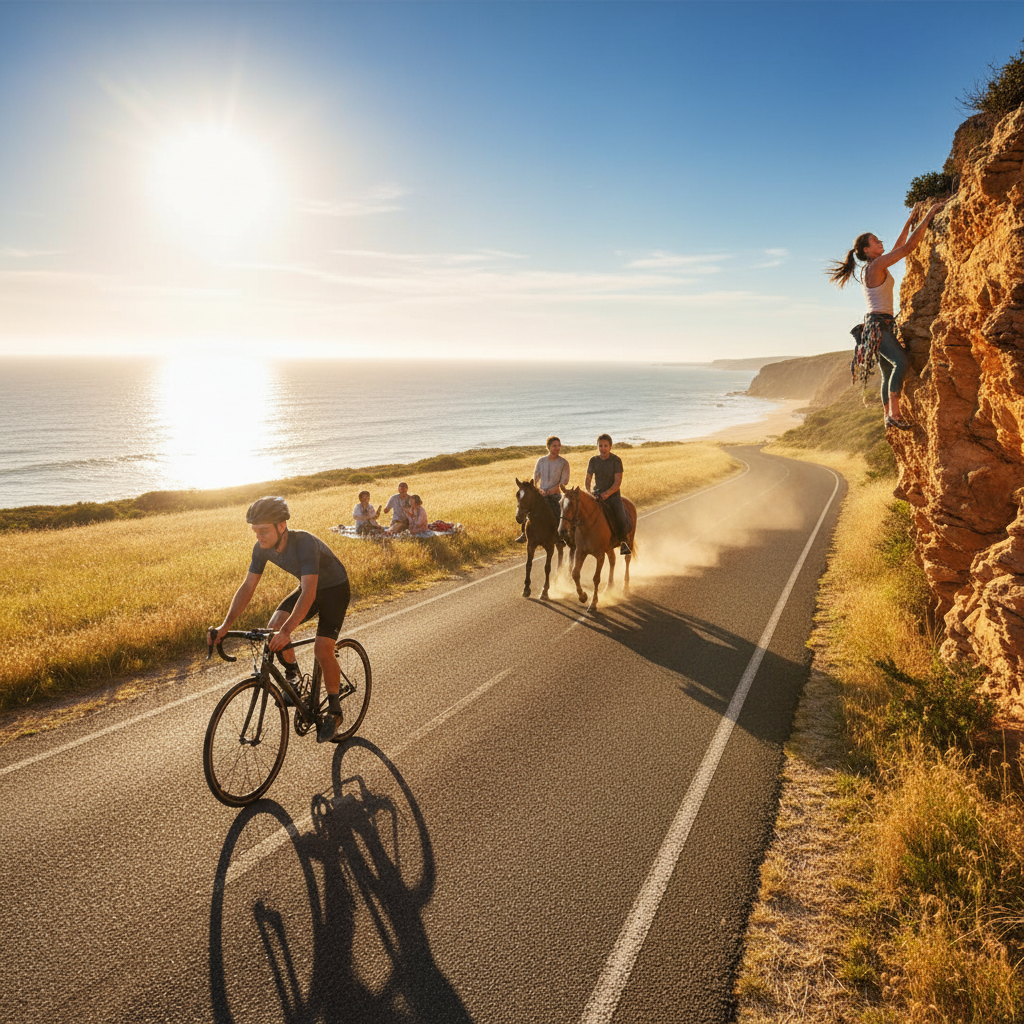
Road vs. Gravel Cycling: Sun Exposure is a Threat on Both
Think your cycling discipline dictates your sun exposure risk? Think again. Whether you're hammering it on the bitumen or kicking up dust on a gravel path, cycling in Australia means you're in a constant battle with the sun. High UV levels, long daylight hours, and scorching temperatures are the norm, and your skin and eyes are on the frontline.
The Obvious Culprit: Increased Time Outdoors
This one's a no-brainer. The longer you're outside, the more cumulative UV radiation you're exposed to. This applies to both road and gravel riders. A 3-hour road ride, a 4-hour gravel slog, or a quick 1-hour spin – it all adds up.
Road Cycling: The Direct Hit
Road cyclists often ride in more open environments, with fewer trees or natural shade. You're more likely to be exposed to direct sunlight for extended periods, especially on long, straight stretches of road. Think about those classic rides out to the coast or through agricultural land – it’s often a sea of blue sky and sunlight. Even when the temperature feels 'pleasant', the UV rays can be intense.
Key Sun Exposure Factors for Roadies:
Direct sun: Minimal shade, especially on open roads.
Reflection off the road: Tarmac can reflect UV rays, adding to your exposure.
Speed and airflow: While airflow can cool you down, it doesn't stop UV penetration or reduce the risk of heatstroke. You can still get sunburnt and dehydrated.
Gravel Cycling: The Sneaky Threat
Gravel riding can sometimes offer more natural shade from trees or hills. However, this can breed complacency. When you are in the sun, the exposure can be just as intense, if not more so, due to the challenging nature of the terrain.
Key Sun Exposure Factors for Gravel Grinders:
Sun dapples and shadows: While offering temporary relief, the dappled sunlight can be deceiving. You might think you're protected, but you're still getting UV exposure, and the shifts can cause your eyes to struggle to adjust.
Slower speeds: While not always the case, gravel riding often involves slower speeds on technical sections. This means less airflow to cool you down, increasing the risk of overheating and dehydration.
Dust and dirt: While not a direct sun exposure factor, dust can irritate your eyes, making them more vulnerable when exposed to bright sunlight. It can also lead to touching your face more, potentially spreading sunscreen or sweat.
Remote locations: Gravel rides often take you further from civilisation. This means a greater distance to travel if you start feeling unwell from heat or sun exposure, and potentially less access to immediate first aid or shade.
The Silent Killer: Heatstroke and Dehydration
This is where both types of riding can hit you hard. Australia’s summers are brutal. We're talking temperatures regularly hitting the high 30s and even 40s. Even if you're not getting a sunburn, prolonged exposure to heat while cycling can lead to serious heat-related illnesses.
Heat Exhaustion: Symptoms include heavy sweating, weakness, dizziness, nausea, and a rapid pulse. It requires immediate rest in a cool place, hydration, and cooling.
Heatstroke: This is a medical emergency. Symptoms include a high body temperature (40°C or higher), confusion, slurred speech, vomiting, and a lack of sweating (in some cases). Immediate medical attention is vital.
Your helmet, while essential for safety, can also trap heat. This is where smart sun protection becomes critical for all cyclists.
Why Your Standard Helmet Isn't Enough
Most bike helmets are designed for impact protection, not sun protection. They offer some shade for the top of your head and scalp, but your face, neck, and ears are often left exposed. Even with sunscreen, sweat can wash it off, and reapplication isn't always practical mid-ride.
The Problem:
Facial sun exposure: Your nose, cheeks, and forehead are prime targets for sunburn, leading to discomfort, premature aging, and increased skin cancer risk.
Neck and ears: These areas are easily forgotten but are highly susceptible to UV damage.
Eyes: Glare and UV can strain your eyes, affecting vision and potentially causing long-term damage.
Helmet tan lines: A minor annoyance, but a clear indicator of where you're missing protection.
Smart Sun Protection for Every Ride
The good news? You can significantly mitigate these risks with a few key strategies and the right gear. The goal is comprehensive protection that doesn't interfere with your riding or helmet.
The Essential Sun Safety Checklist
No matter if you're rolling on tarmac or dirt, keep this handy:
[ ] Sunscreen: Broad-spectrum SPF 30 or higher. Apply generously and often, especially on exposed areas like your face, neck, and ears. Reapply every 2 hours or more frequently if sweating heavily.
[ ] Lip Balm with SPF: Don't forget your lips – they can burn too.
[ ] Sunglasses: UV-protective sunglasses are crucial for protecting your eyes from glare and harmful UV rays, reducing eye strain and potential damage.
[ ] Sun-protective Clothing: Lightweight, breathable, long-sleeved jerseys and cycling shorts can offer a physical barrier.
[ ] Hat (under helmet): A thin cycling cap can provide an extra layer of shade on your forehead and help manage sweat. However, ensure it doesn't compromise your helmet's fit or safety.
[ ] Neck Gaiter/Buff: Pull it up over your neck and lower face when needed.
[ ] Helmet Brim: An attachable brim specifically designed for helmets is a game-changer. More on this below.
Introducing the DaBrim Helmet Brim: Your Secret Weapon
This is where we get practical. Sunscreen washes off. Sunglasses can fog up or slip. A cycling cap can only do so much. But an integrated helmet brim? That's a direct, effective solution.
Brands like DaBrim offer helmet brims that attach securely to your existing cycling helmet. They’re designed to extend shade over your face, neck, and ears, offering superior protection that stays put, no matter the terrain or speed.
How it Works (and why it's practical):
Easy Installation: Most brims are designed for a quick, tool-free attachment. Check out How to Install for guidance.
Extends Shade: They cast a significant shadow over your face, reducing glare and direct UV exposure. This is invaluable on long, exposed road sections and when you emerge from tree cover on a gravel track.
Reduces Glare: A good brim helps cut down on screen glare, making it easier to see the road or trail ahead.
Protects Vulnerable Areas: Significantly shields your forehead, temples, nose, and cheeks – areas often missed or poorly protected by standard helmets.
Durable and Lightweight: Designed to withstand the elements without adding significant weight or drag.
Road vs. Gravel: Adapting Your Sun Protection
While the core principles remain, here's how to fine-tune your approach:
| Riding Type | Primary Sun Exposure Concerns | Recommended Additional Protection |
|---|---|---|
| Road Cycling | Direct sun, reflection off road, prolonged exposure on open roads | Extended helmet brim, UV-protective sunglasses, neck gaiter/buff |
| Gravel Cycling | Dappled sunlight, heat build-up, slower speeds, remote locations | Extended helmet brim, sunglasses for dust/glare, ample hydration, reapplying sunscreen frequently |
When to Ride and When to Rest
Australian UV levels are extreme, especially during daylight saving months. The sun is at its most dangerous between 10 am and 3 pm. Whenever possible:
Plan your rides: Aim for early mornings or late afternoons to avoid peak UV hours. This is crucial for both road and gravel riders.
Check the UV Index: Use weather apps or the Bureau of Meteorology (BOM) to check the daily UV forecast. If it's 3 or above, sun protection is essential. If it's 11+, it's extreme and you need to be extra cautious.
Listen to your body: If you're feeling overheated, dizzy, or nauseous, stop riding immediately. Find shade, rehydrate, and cool down. Don't push through heatstroke symptoms.
Common Objections and How to Handle Them
Objection 1: "A helmet brim looks silly / I don't want to look like a tourist."
Response: Your health and safety are more important than fleeting fashion trends. Prolonged sun exposure leads to premature aging and significantly increases your risk of skin cancer. A few extra minutes of looking 'different' is a small price to pay for reducing that risk. Plus, with modern designs, brims are far less intrusive than you might think and can actually improve your vision by reducing glare. Browse our Products to see the sleek options available.
Objection 2: "I always wear sunscreen."
Response: Sunscreen is essential, but it's not foolproof. Sweat washes it off, it misses spots, and reapplication mid-ride is often impractical for both road and gravel cyclists. A helmet brim provides a consistent physical barrier that doesn't rely on chemical application or reapplication, complementing your sunscreen for complete coverage.
Objection 3: "I prefer the feeling of airflow on my face."
Response: We understand. However, airflow doesn't block UV rays or prevent heatstroke. While helmets and brims reduce some airflow, many designs are optimised for ventilation, and the trade-off for superior sun and glare protection is well worth it. The goal is smart protection, not to be stifled.
Objection 4: "It’s too much hassle to install something on my helmet."
Response: Most helmet brims, including DaBrim, are designed for incredibly simple, tool-free installation. It takes less than a minute. Think of it as an essential piece of gear, like clipping on your water bottle. For detailed steps, our How to Install guide makes it even easier.
Objection 5: "I only ride in the morning/evening."
Response: While riding outside of peak UV hours is smart, UV rays can still be strong in the early morning and late afternoon, especially during summer months in Australia. Additionally, glare can be a significant issue even when UV levels are lower. Consistent protection is always the best policy. For more common questions, see our FAQ.
Final Thoughts
Whether you're a road warrior or a gravel explorer, sun safety is non-negotiable for Australian cyclists. Don't let complacency or the type of riding you do put you at unnecessary risk. Combine smart planning, diligent application of sunscreen, eye protection, and crucially, a helmet brim for superior, consistent shade. Protect your skin, your eyes, and your health. Your future self will thank you.
Ready to upgrade your sun protection? Explore our range of helmet brims and accessories at Products.